




Rhinoplasty
Conveniently located to serve the areas of Houston and Webster, TX

Rhinoplasty is the medical term for nose-reshaping surgery. Another term for this procedure is a nose job. During nose-reshaping surgery, a plastic surgeon modifies the shape of the patient’s nose to enhance its appearance. If the patient has breathing difficulties due to a deviated septum, the plastic surgeon may address this issue by performing a septoplasty during the same surgical session. At Lift Plastic Surgery in Houston, Dr. Shitel D. Patel helps men and women breathe more freely, and attain the nose characteristics they desire.
Contents
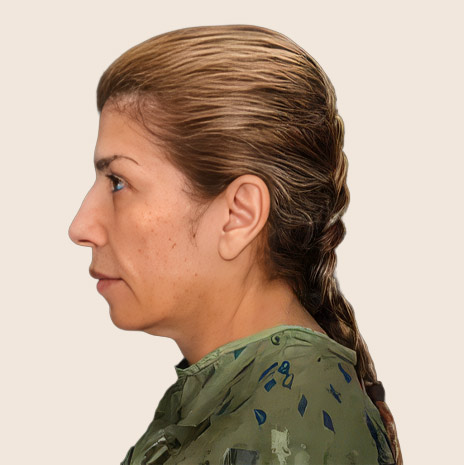
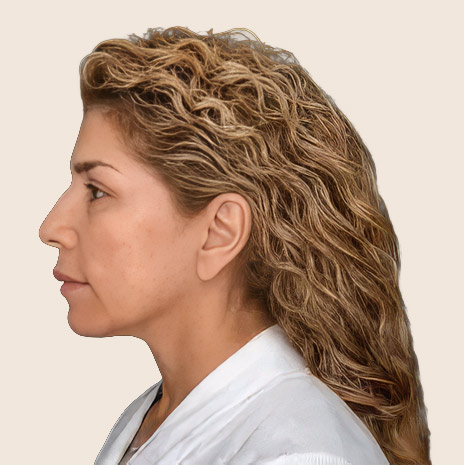
Before and After Photos


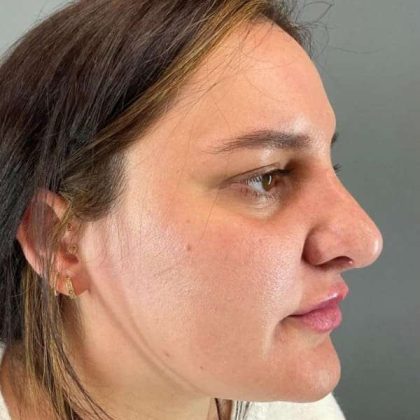
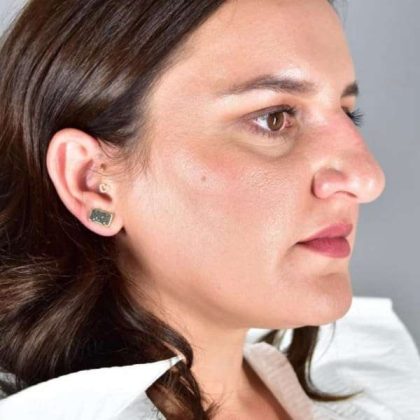
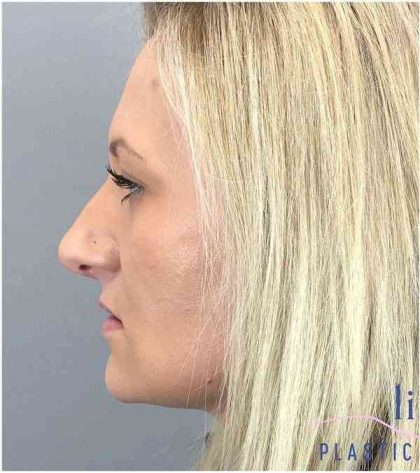
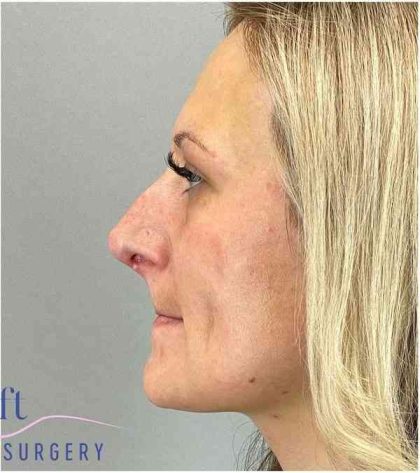
About Rhinoplasty
The structure of the nose
The upper portion of the nose consists of bone and the lower portion consists of cartilage. During a nose-reshaping procedure in Houston, Dr. Patel can make changes to the cartilage, the bone, the skin, or all three.
How common is rhinoplasty?
According to the 2020 Plastic Surgery Statistics Report, more than 350,000 nose-reshaping procedures were performed in the U.S., making rhinoplasty the number one plastic surgery procedure performed nationwide that year. While the procedure benefits both genders, more women (287,434) than men (65,121) chose to have a nose job in 2020.
Rhinoplasty vs. septoplasty: what is the difference?
Although many people use these terms interchangeably, they describe two very different procedures. A rhinoplasty is typically performed for aesthetic reasons, such as addressing bumps or indentations in the bridge of the nose. A septoplasty is the procedure in which a surgeon corrects a deviated septum.
The septum is the wall that divides the nasal passages. When it is off-center, it can interfere with breathing. During a septoplasty, Dr. Patel corrects this deviation so that once recovery is complete, the patient can breathe through both nasal passages effortlessly.
Because aesthetic issues and structural problems can be addressed together, Dr. Patel frequently performs nose-reshaping and septoplasty procedures during the same surgical session.
Candidates
The characteristics a patient would like Dr. Patel to address may be natural features present at birth (congenital), or undesirable characteristics resulting from trauma or injury. The decision to have nose-reshaping surgery is a highly personal one, and most patients choose a rhinoplasty because they are unhappy with the way their nose looks.
Concerns a rhinoplasty can address
- Bumps on the nasal bridge
- A dorsal hump
- An indentation on the nasal bridge
- A wide nose
- An asymmetrical (uneven) nose
- Cosmetic irregularities resulting from an injury or trauma to the nose
- A thick, boxy or droopy nasal tip
- An undesirable nose shape, size or angle
- Nose characteristics that are not in proportion with the rest of the facial features
- An undesirable nose profile
Concerns a septoplasty can address
- A nose that appears to be off-center, usually caused by a crooked septum
- Breathing difficulties due to a bent or crooked septum
At what age is a patient eligible for rhinoplasty?
Nose-reshaping surgery should only be performed after nasal development is complete, which typically occurs by age 15 or 16 for females and age 17 or 18 for males. Disregarding this requirement could lead to complications.
The Initial Consultation
The first step in determining whether an individual is a good candidate for nose-reshaping surgery is to schedule an initial consultation at Lift Plastic Surgery in Houston. During this visit, the surgeon learns what the patient would like to accomplish and evaluates whether those goals are achievable.
Medical history
Patients need to provide the surgeon with a complete medical history, including:
- Herbal supplements, vitamins and medications, both prescription and over-the-counter
- Chronic health conditions, such as diabetes or hypertension
- All previous surgical procedures
- Any nasal obstructions
Physical examination
The surgeon examines the patient’s facial features, including the inside and outside of the nose. This helps Dr. Patel determine how physical characteristics such as skin thickness and cartilage strength at the tip of the nose may affect results. The examination also identifies any irregularities affecting the patient’s ability to breathe.
Photographs
Dr. Patel or a medical assistant takes photographs of the nose from several angles. Patients often find these images useful while explaining what they would like to accomplish. The surgeon uses them while creating the treatment plan and during the procedure itself, and they serve as before-and-after comparison tools.
A personalized treatment plan
Every patient is unique, which is why Dr. Patel creates a custom-tailored surgical treatment plan for each one, addressing a variety of concerns including any ethnic-specific goals.
While creating the plan, the surgeon must take the patient’s other facial features into consideration. This is a vital part of the process, because balancing facial proportion and scale is what produces a harmonious result.
Preparing
Medications, vitamins and herbs to avoid
Some medications, vitamins and herbs increase the likelihood of excessive bleeding. Patients need to avoid these products for at least two weeks before and two weeks after surgery:
- Non-steroidal anti-inflammatory drugs, such as aspirin, naproxen, ibuprofen, Motrin® IB and Advil®
- Blood thinners, such as Coumadin®
- Vitamin E
- Herbal supplements, such as ginger and St. John’s Wort
Patients who take prescription medications should not stop taking them without first speaking to the prescribing physician or their plastic surgeon. If pain relief is needed within the two-week window before or after surgery, acetaminophen (such as Tylenol®) can be taken safely.
Stop using products that contain nicotine
Patients who use products containing nicotine — traditional cigarettes, e-cigarettes, chewing tobacco, nicotine gum and other cessation products — must stop using them for at least four weeks before and four weeks after their rhinoplasty.
Nicotine is a vasoconstrictor, which means it causes the blood vessel walls to contract. Once these walls contract, blood can no longer move through the circulatory system efficiently, which interrupts the body’s natural healing process. This inability to heal in a timely manner can lead to open wounds, infection and necrosis (skin tissue death).
Avoid alcoholic beverages
Alcohol tends to increase inflammation, which is why Dr. Patel recommends avoiding alcoholic beverages for at least 48 hours before and 48 hours after nose-reshaping surgery.
Arrange a driver and a caregiver
Because the patient receives anesthesia, driving after the procedure is not possible. Patients must bring a driver on the day of surgery; without one, the procedure will be rescheduled. To ensure patient safety, Lift Plastic Surgery maintains a transportation policy prohibiting the use of for-hire transportation services following any procedure that requires anesthesia.
Many patients ask their driver to remain with them as a caregiver for at least 24 hours after surgery. Whomever the patient chooses should be someone he or she feels completely comfortable with and trusts implicitly. Ideally, Dr. Patel prefers that patients have someone stay with them for 48 to 72 hours.
This is because for several days following the use of general anesthesia, patients may experience slow reaction time, lapses in memory and impaired judgment.
Procedure
A nose-reshaping procedure in Houston usually takes three to four hours to complete. Because each procedure is custom-tailored, the specific steps vary from patient to patient. What follows is a general overview.
Anesthesia options
Patients may receive general anesthesia or twilight anesthesia. With general anesthesia, medication helps the patient fall into a deep sleep. Twilight anesthesia combines local anesthesia with IV sedation, placing the patient into a lighter sleep; surgeons typically use it for relatively simple nose-reshaping procedures. Dr. Patel determines which type will serve the patient best and discusses the reasoning with the patient beforehand.
Open vs. closed surgical technique
An open rhinoplasty involves a small incision on the columella, the tissue at the base of the nose between the nostrils, along with an incision inside each nostril. Although the columella incision is external, it is very small and the visibility of the resulting scar diminishes with time. Through these incisions, the surgeon readjusts the cartilage and bone.
A closed rhinoplasty is performed without external incisions, working instead through a small incision created within each nostril.
Reshaping the cartilage and nasal bones
The technique Dr. Patel uses depends on how much material needs to be added to or removed from the structure of the nose.
- When only a small amount of material needs to be added, the surgeon may harvest cartilage from the ear or from deep inside the patient’s nose.
- When larger changes are necessary, the surgeon can use nasal implants or harvest bone from elsewhere on the body, such as a rib.
After making the aesthetic changes the patient desires, the surgeon moves the skin and tissue back into place before closing the incisions. During this same surgical session, Dr. Patel can also perform a septoplasty to correct a crooked or bent septum and improve breathing.
Splints and packing
Depending on the reason for surgery, the patient may receive an internal splint, an external splint, or both. The surgeon may also place packing within the nasal passages. Most patients remove their nasal packing within a day or two, then continue wearing the internal splint for about a week and the external splint for approximately a month.
Immediately after surgery
Patients move to the recovery area, where medical staff monitor them until they fully awaken. At that point, the patient receives instructions on caring for the nose, when to return for a follow-up visit, and the restrictions to follow during recovery. Following these restrictions closely is essential to achieving the best result and an uneventful recovery.
Recovery
Is rhinoplasty painful?
As with most surgical procedures, patients usually experience the most discomfort within the first day or two. Initially the face looks puffy and a headache is common. While still in the recovery area, patients should speak with the surgeon or a member of the medical staff to receive medication or find out which pain medications are acceptable.
Common side effects
Bruising and inflammation around the eyes are expected, typically peaking about three days after surgery. Other short-term side effects may include:
- A slight headache
- A numb sensation on the face
- Nose pain
- Congestion and a stuffed-up nose, caused by inflammation and the internal splints
- Light bleeding, along with drainage of old blood and mucus, for a few days after surgery or after dressing removal
The first 48 hours
Patients must stay in bed with the head elevated for 24 hours following the procedure. Keeping the head elevated above the chest reduces bleeding and decreases inflammation. By about 48 hours after surgery, most patients feel well enough to get out of bed.
Most patients also receive a drip pad — a small piece of gauze held in place beneath the nose with tape — that absorbs fluids as they exit the nasal passages. This gauze needs to be changed routinely, and Dr. Patel provides specific directions for removing and replacing it.
Recovery instructions
To reduce inflammation and bleeding, Dr. Patel may ask patients to:
- Take baths rather than showers, usually until the bandages on the nose are removed
- Avoid strenuous activities such as jogging, aerobics and sports
- Eat high-fiber foods such as fruits and vegetables, since constipation is a common side effect of pain medication and the resulting straining places pressure on the surgical area
- Avoid blowing the nose
- Limit upper lip movement, especially while brushing the teeth — patients using an electric toothbrush may want to switch to a manual one during recovery
- Avoid extreme expressions, including laughing and smiling
- Wear clothing that fastens in the front, to avoid pulling sweaters and shirts over the head
- Protect the nose from UVA and UVB rays with a sunscreen rated SPF 30 or higher, since neglecting sun protection can cause hyperpigmentation (permanent discoloration of the skin)
- Reduce sodium intake to decrease swelling
Wearing eyeglasses and sunglasses
Patients need to refrain from placing eyeglasses or sunglasses directly on the bridge of the nose for at least four weeks. Doing so too soon could negatively affect the rhinoplasty result. Two workarounds are available:
- Eyeglass suspension products designed specifically for wear after nose-reshaping surgery. Prices vary greatly, so patients should research options online to find an affordable one.
- Taping the glasses to the forehead. Patients who choose this option need to make sure the glasses are taped securely.
Patients who wear contact lenses can usually put them in shortly after surgery.
Returning to work and normal activity
Recovery is gradual. Patients typically return to work about a week after their Houston rhinoplasty and can usually resume normal activities after a couple of weeks. For approximately six weeks beyond that, patients must refrain from sports and activities that could result in a nose injury, such as basketball, tennis and football.
Results
With nose-reshaping surgery and a septoplasty, Dr. Patel makes permanent adjustments to the nasal bone, cartilage and skin envelope.
Until the initial inflammation and discoloration subside, most patients find it difficult to visualize how their new nose will look. Most of the swelling dissipates within a month or two, though residual inflammation can take up to a year to fully resolve. This late-stage swelling is subtle and should not affect other areas of the patient’s life. Some patients also notice temporary eyelid discoloration for several weeks.
To ensure the nose is healing as expected, patients need to schedule regular follow-up visits at Lift Plastic Surgery in Houston. Any patient who experiences discomfort after surgery — even six months post-op — should schedule a consultation with their surgeon as soon as possible.
Potential Complications
Complications are always possible. Patients can reduce their likelihood of experiencing one by choosing a specialist to perform their nose-reshaping procedure. Dr. Patel discusses these risks with every patient during the initial consultation.
Risks associated with any surgical procedure
- Infection
- Bleeding
- An adverse reaction to the medications or anesthesia used during surgery
Risks specific to nose-reshaping surgery
- A nose that looks asymmetrical
- Permanent numbness around the nose
- Persistent pain, inflammation or discoloration
- Problems breathing through the nose
- Visible scarring
- Septal perforation (a hole in the septum)
- The need for additional surgical procedures
Cost
The cost of a rhinoplasty depends on the specific needs of the patient, with complex surgeries costing more than relatively simple ones. To find out how much nose surgery will cost, schedule an appointment with one of the plastic surgeons at Lift Plastic Surgery.
Contact