




Eyelid Surgery
Conveniently located to serve the areas of Houston and Webster, TX

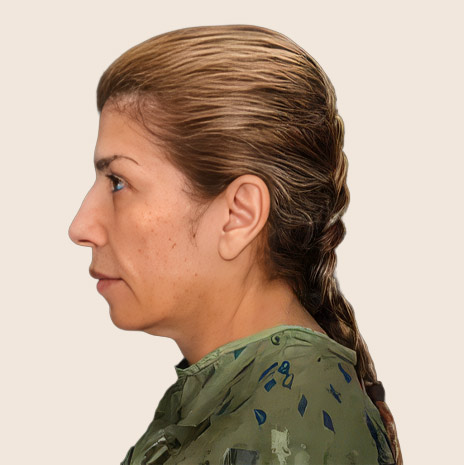
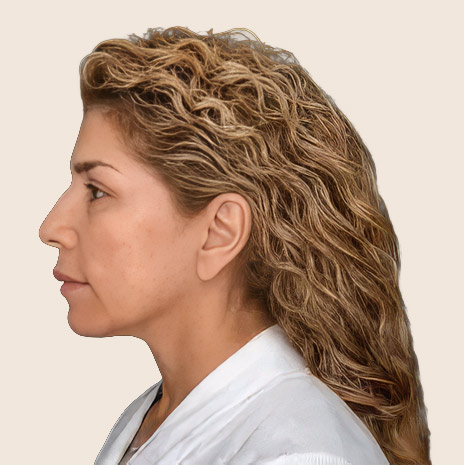
The skin around your eyes can begin to droop, making you look older and more tired than you are, and it can also affect your vision.
Contact
Contents
Before and After Photos


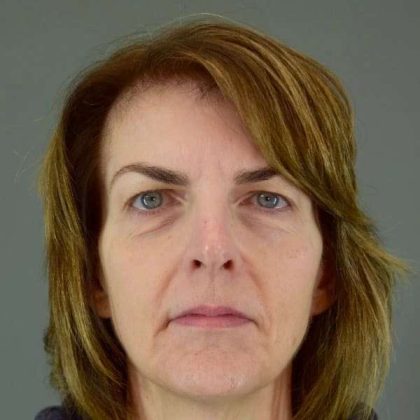
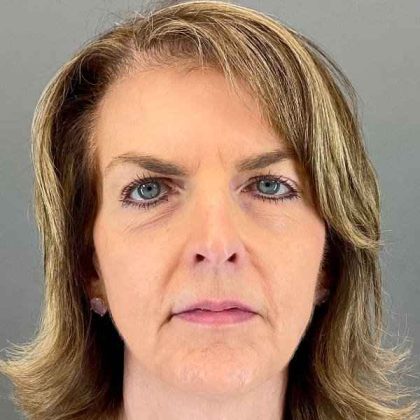
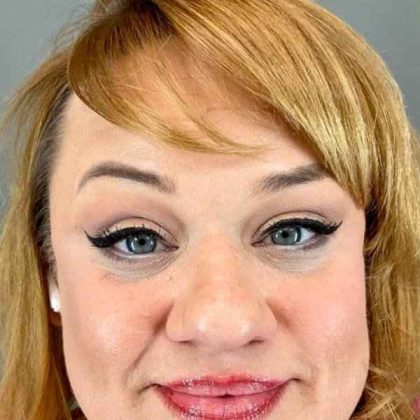
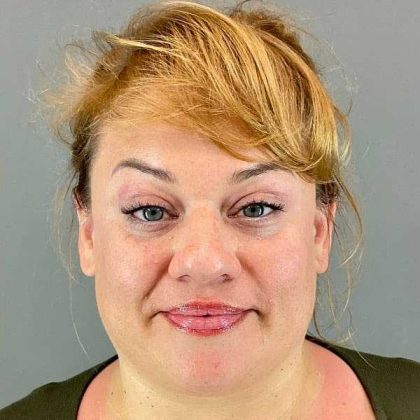
About Blepharoplasty
A blepharoplasty improves the appearance and youthfulness of the eyelids. As you age, the skin around your eyes can become lax and droopy, sometimes to the point of affecting your vision. The fat around your eyes can also become displaced, causing puffiness or bags above or below the eyes, and the muscles that lift your eyelids can weaken, further aggravating the problem.
Individuals with wrinkly, drooping and puffy-looking eyes frequently appear exhausted and older than they actually are. At Lift Plastic Surgery, a patient can choose upper eyelid surgery, lower eyelid surgery, or both during a single surgical session. Dr. Patel restores his patient’s vibrant expression by minimizing the imperfections surrounding the eyes.
Why the eye area changes
For many people, the changes around the eyes occur as part of the natural aging process:
- Displacement of the fat around the eyes, which leads to the development of under eye bags. In addition, this displaced fat can cause the upper eye area to appear swollen.
- As time passes, the muscles responsible for lifting the upper eyelids may become weak and cause the patient’s eyelids to droop. If the upper eyelid falls low enough to cover a portion of the individual’s pupil, it obstructs the patient’s peripheral vision.
A droopy upper eyelid may also develop due to:
- Damage to the seventh cranial nerve resulting from Bell’s palsy or trauma. There is a link between Bell’s palsy and several viral infections, including mononucleosis (Epstein-Barr), the flu (influenza) and the virus responsible for cold sores (HSV-1).
- Migraines, because people who are prone to migraines are at a higher risk for Bell’s palsy.
In addition, ptosis can be inherited. This form of the condition is referred to as congenital ptosis.
Modern techniques
Eyelid surgery has been helping men and women attain a more youthful appearance since the 1960s. With the earlier techniques, the surgeon removed all the fat surrounding the eye, which caused the area to appear hollow. Today, surgeons prevent this unwanted hollowing by removing only some of the fat and then carefully sculpting the rest. Patients enjoy a youthful, rejuvenated, natural-looking result.
Concerns
At Lift Plastic Surgery, Dr. Patel performs blepharoplasties to address a variety of cosmetic issues, including:
- Upper-eyelid hooding.
- Excess fat in the upper eyelid.
- Puffiness beneath the eyes and in the upper eyelid.
- Sagging, loose skin on the patient’s upper and lower eyelids.
- Fine wrinkles in the lower eyelid area.
- A lost upper-eyelid crease.
- Dark circles beneath the eyes.
Obstructed peripheral vision
A fallen upper eyelid can negatively affect an individual’s peripheral vision. When an individual has obstructed peripheral vision, he or she may undergo upper eyelid surgery to lift the fallen lid. Although this patient enjoys cosmetic improvements, since the surgical goal is lifting the lid to improve peripheral vision, this procedure is functional, not cosmetic.
Benefits
Many people choose to have a blepharoplasty to rejuvenate the area around their eyes so that they appear more youthful. The most common benefits patients enjoy include:
- An energetic, more youthful appearance resulting from the removal of excess upper eyelid skin and the strategic tightening of the skin in the patient’s upper eyelid area.
- A more rejuvenated appearance due to a decrease in the signs of aging within the eye area. Furthermore, the look of exhaustion that some patients develop around their eyes as they age is no longer present.
- Smoother-looking skin in the eye area, which results from the removal of the excess fat and strategic repositioning of the fat that remains.
- Better vision due to the absence of the excess skin on the upper eyelid that was causing it to droop.
- A reduction in the dark circles and puffiness beneath the eyes.
Candidates
During the initial consultation, the surgeon assesses the patient’s overall health and evaluates the aesthetic eye issues that the patient would like to address.
On average, patients in relatively good health who have developed the signs of aging around their eyes, including ptosis, are good candidates for eyelid surgery.
The procedure is not recommended for individuals who have problems with dry eyes. If for any reason the surgeon does not believe a patient is a good candidate, Dr. Patel may recommend an alternative procedure that will provide the results he or she desires.
Patients who have had LASIK
Individuals who have had LASIK surgery need to wait at least 6 months before having a blepharoplasty.
Consultation
To attain the results they desire, patients must be able to convey to the surgeon what they would like to accomplish with eyelid surgery.
Patients need to provide their surgeon with information about the medications, herbal supplements and vitamins that they take on a regular basis. The surgeon also needs to know about the individual’s medical history, including previous surgeries, treatments and chronic conditions (e.g., high blood pressure). Patients who have an allergy to a medication or to latex should be sure to inform Dr. Patel during this initial consultation.
Treatment plan
Following a thorough physical exam, if the surgeon believes the patient is a good candidate for a blepharoplasty, he creates a custom-designed treatment plan. That plan may include surgery for the upper eyelids, the lower eyelids, or a combination of both.
While creating the plan, Dr. Patel considers several issues that pertain directly to the patient, including his or her unique facial features:
- Eyebrow position.
- Eye shape.
- Facial symmetry.
- Fat pad positioning.
- Muscle tone.
- Skin quality.
- Dry eye issues.
- Eyeball, with respect to the position of the patient’s facial bones.
Combination procedures
Dr. Patel frequently performs a combination of procedures for his blepharoplasty patients during a single surgical session. For example, some people combine eyelid surgery with a mid-face lift or a brow lift.
Nonsurgical treatments can also be added to a patient’s treatment plan. BOTOX addresses the deep lines and wrinkles caused by repeated muscle contractions, such as the vertical lines between the eyebrows. Dermal fillers add volume to areas of the face that appear hollow, such as the cheeks and temples, and decrease the visibility of wrinkles.
Preparing
Nicotine
Patients must stop using products that contain nicotine for at least 6 weeks before and 6 weeks after surgery. The nicotine in these products inhibits oxygenation by contracting the walls of the blood vessels and slowing blood flow. This slowed blood flow negatively affects tissue recovery, which increases the likelihood of a surgical complication such as the onset of an infection or tissue necrosis.
Alcohol
Since alcohol promotes inflammation, patients need to avoid drinking alcoholic beverages for at least 6 weeks before and 6 weeks after their blepharoplasty.
Medications to avoid
Certain medications, including those known to thin the blood, could cause unnecessary bleeding during surgery. Patients should avoid the following for at least 10 days before and 10 days after surgery:
- Blood thinners like Coumadin. That said, patients should never stop taking any medication that is prescribed to them by a healthcare provider without first receiving the okay to do so. Disregarding this recommendation could be hazardous.
- Aspirin.
- Non-steroidal anti-inflammatory drugs (NSAIDs).
- Naproxen.
- Ibuprofen.
Patients should also avoid herbal supplements (e.g., St. John’s Wort, Ginkgo Biloba) and vitamin E during this same 10-day window before and after surgery. Anyone who needs a pain reliever during the 10 days leading up to surgery can safely take a non-aspirin product (e.g., Tylenol, acetaminophen).
Sun protection
Before and after surgery, patients need to avoid exposing the delicate tissues surrounding their eyes to the sun. Dr. Patel recommends the daily use of a broad-spectrum sunscreen with an SPF of at least 30, along with sunglasses while spending time outdoors.
Driver
Patients usually receive twilight sedation or general anesthesia, so they must bring a licensed driver with them on the day of surgery. For safety’s sake, patients cannot drive for at least 24 hours after receiving either form of anesthesia. In addition, many patients find that their eyes are sensitive to light and their vision is somewhat blurry directly afterward, and most prefer to keep their eyes closed for some time following surgery.
Dr. Patel always puts patient safety first. For this reason, he does not consider public transportation, or any other for-hire transportation service, an appropriate form of transportation following eyelid surgery or any other procedure that requires sedation or general anesthesia. Patients who arrive without a driver on the day of their surgery will have to reschedule.
Procedure
A blepharoplasty can last anywhere from 60 minutes to several hours. The length depends on whether the surgeon is addressing the upper eyelids, the lower eyelids or both, as well as whether the patient is having additional procedures performed during the same surgical session, such as a mid-facelift.
The day of surgery
Patients should arrive approximately 15 minutes before their scheduled appointment. After checking in, a staff member escorts the patient to the area where he or she will prepare for surgery. As the patient prepares, the surgeon stops in to answer any last-minute questions, discuss specifics about the procedure and create markings on the patient’s face to use as a guide during surgery.
Anesthesia
The patient receives twilight sedation or general anesthesia. The surgeon discusses anesthesia options and makes recommendations ahead of time, so on the day of surgery the patient already knows which one he or she is receiving. Once the anesthesia takes effect and the patient is resting comfortably, the procedure begins.
Creating the incisions
- For an upper eyelid lift – in the majority of cases, the surgeon creates the incisions along the crease of the upper eyelid.
- For lower eyelid surgery – the surgeon creates the incision just beneath the lashes on the outside of the lower lid or, if fat needs to be removed, inside the lower lid.
By creating the upper and lower eyelid incisions in these areas, the resulting scars are virtually undetectable.
Upper eyelid surgery
After creating the incision along the crease at the top of the eyelid, the surgeon removes any excess fat, a strip of skin and, if necessary, a bit of muscle. Dr. Patel prefers to tighten this area, including the eyelid muscles. The main advantage of this technique is the patient’s result: the lower part of the upper eyelid and the area beneath the eyelids are greatly improved.
Lower eyelid surgery
Since the bagginess that develops beneath the eyes results from protruding fat, the surgeon usually removes a substantial amount of fat during lower eyelid surgery. He retains some of it, however, and repositions it to achieve the result the patient desires. When excess skin is present, the surgeon removes it before tightening the skin that remains.
Patients experiencing hollowing beneath their eyes can have dermal fillers injected in this area. These fillers add volume, which helps the patient appear more refreshed, youthful and rejuvenated. Patients who would like a more natural option can have the surgeon harvest their own fat, purify it, and then inject it into the areas of the face that require additional volume, including the area beneath the eye.
If necessary, the surgeon uses a suture to tighten the lower eyelid as it heals. This tightening technique is referred to as canthopexy. Initially it can cause the eyelid to appear upturned or distorted, but once the eyelid relaxes, patients enjoy a more natural-looking result.
Closing the incisions
The surgeon may use fine, dissolvable sutures or thin sutures that will not dissolve. Sutures that do not dissolve need to be removed within 3 to 5 days of surgery.
Recovery
After spending a little time in recovery, the patient is released to his or her driver.
Patients will experience inflammation and bruising around their eyes. After about 7 days, these symptoms significantly improve; nonetheless, it can take several weeks for the bruising and inflammation to resolve completely.
Cold compresses
Gently applying cold compresses to the eyes usually helps improve the patient’s comfort level and hastens the recovery process.
Patients should close their eyes and place a cold pack over them for 10 to 20 minutes at a time. For the first three days while awake, or until the swelling subsides, try using the cold pack every hour or two. Ice should never be placed directly on the skin, so patients need to put a piece of cloth between the ice and their skin. Keeping the head elevated also helps reduce inflammation.
Activity and makeup
Patients must refrain from vigorous activity and exercise for four to six weeks. Abiding by this restriction prevents unnecessary bleeding, allows the body to heal properly, and keeps inflammation from increasing due to overexertion. Patients must also avoid wearing eye makeup until their incisions have healed completely.
Results
Dr. Shitel Patel makes every refinement to the patient’s eye area conservatively, because using a conservative hand helps avoid over correction. Even the most subtle changes around the eye can enhance the entire area surrounding it. When a surgeon overcorrects, the result appears unnatural because the patient constantly has a wide-eyed look.
The sculpting phase requires the surgeon to deliver a refreshed, beautifully contoured, natural-looking result. Dr. Patel has the experience, vision and skill necessary to provide his patients with the symmetrical, more youthful eyes they desire, and his experience performing upper and lower eyelid surgeries helps him deliver beautifully tailored results.
Complications
With every surgery, there are inherent risks and complications that the patient must consider. A blepharoplasty is no different.
General surgical risks
- Excessive bleeding.
- The development of a blood clot (usually associated with general anesthesia).
- An allergic reaction to the anesthesia.
- Breathing issues related to the anesthesia.
- An infection.
Blepharoplasty-specific risks
- Impaired or blurry vision.
- Dry, irritated eyes.
- Excessive tearing.
- Dissolving sutures that begin to emerge sooner than expected, requiring removal by the plastic surgeon.
- Uneven eyelids.
- Problems closing the eyes.
- An accumulation of blood beneath the skin (i.e., a hematoma).
- Inflammation, pain and bruising.
- Visible scarring.
- Poor wound healing.
- Blood accumulation behind the eye resulting in blindness.
- A temporary feeling of numbness in the eyelid.
- Ectropion, which is an outward rolling of the eyelid, exposing the surface of the inner eyelid. Ectropion is usually a temporary side effect.
- Lid lag refers to a pulled down lower eyelid. Just like ectropion, lid lag is typically a temporary side effect.
Cost
Every procedure is custom-designed to meet the needs of a specific patient; as such, the only way Dr. Patel can determine how much an individual’s eyelid rejuvenation surgery will cost is with an initial consultation.
The eyes, usually the facial feature people notice most, are one of the areas that begin to show the signs of aging first. These signs include sagging upper eyelids, dark circles and under-eye bags. At Lift Plastic Surgery, Dr. Shitel Patel performs eyelid surgery to assist men and women who are interested in looking more youthful, refreshed and awake. To make an appointment, please call or use the online scheduling tool.