


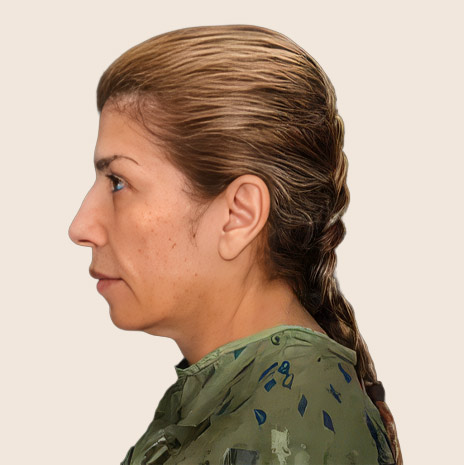
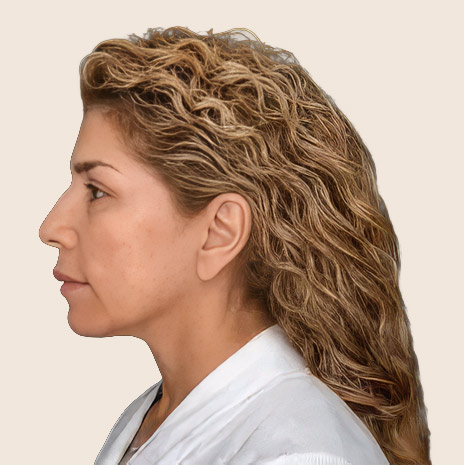


Breast Implant Removal
Conveniently located to serve the areas of Houston and Webster, TX

Plastic surgeons in Houston perform breast explant surgery (aka breast implant removal surgery) for women who would like to remove their breast implants. A woman may decide to have breast explant surgery to exchange her current implants for a newer, more innovative implant model. She may want to enlarge or reduce the size of her implants, or exchange her current breast implants for a set consisting of a different material (e.g., saline to silicone or vice versa). At Lift Plastic Surgery, board-certified plastic surgeon Dr. Patel performs breast explant surgery to help women attain the breasts they desire.
Contents
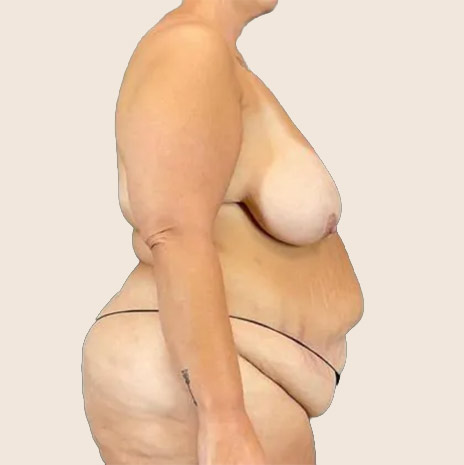
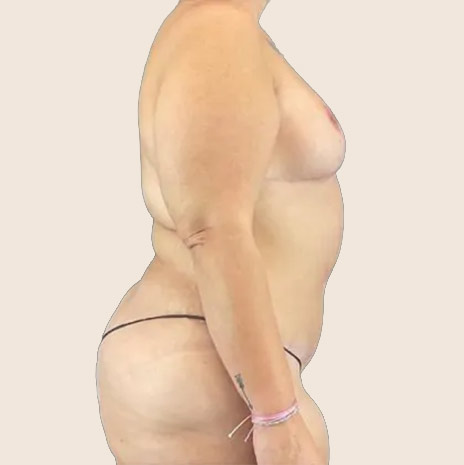
Before and After Photos


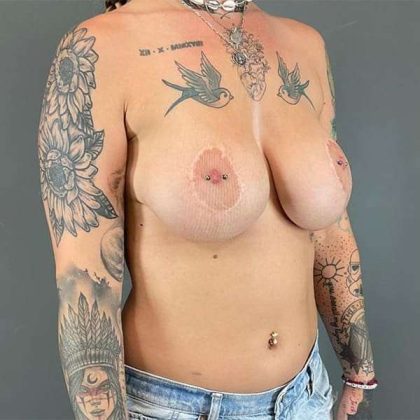
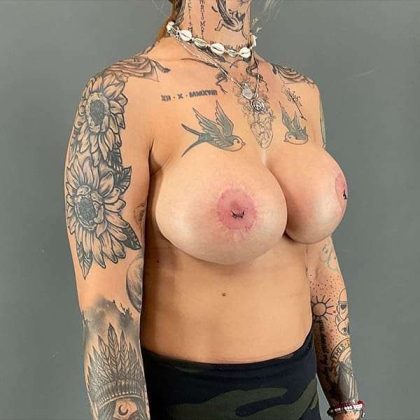
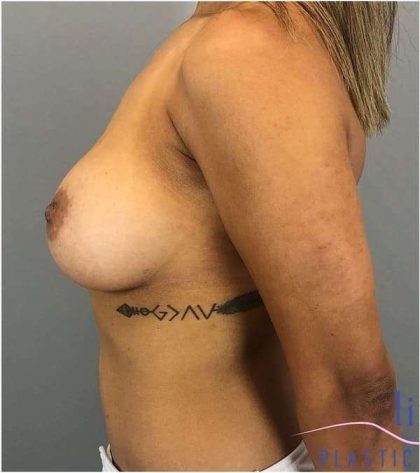
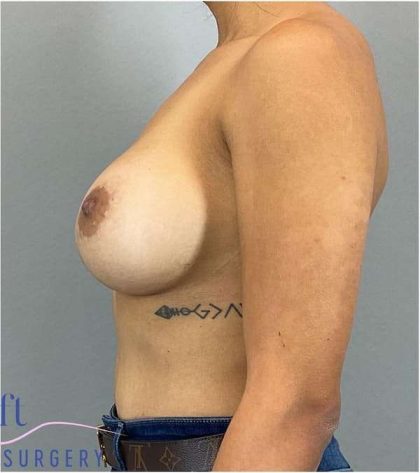
Reasons for removal
A condition called capsular contracture is one of the main reasons women choose to have breast implant removal surgery. Capsular contracture occurs when the body creates too much scar tissue around the breast implants.
As time passes, the scar tissue continues to accumulate. At a certain point, the scar tissue begins squeezing the implant, which causes the breasts to become hard. In addition, the position of the breast itself changes, usually moving to a higher location on the chest. Capsular contracture can cause an individual to feel pain and discomfort.
Other reasons for breast implant removal include:
- Calcium deposit buildup around the breast implant.
- A leaking saline implant.
- Tissue death (i.e., necrosis) around the breast implants.
- An autoimmune reaction to the implant itself.
- Pain related to the implants.
- Movement or shifting of the breast implants.
- A woman reaching a point in her life where her cosmetic goals change and she no longer wants to have larger breasts.
Women considering breast implant removal surgery should schedule an appointment with one of Lift Plastic Surgery’s board-certified plastic surgeons in Houston. As experienced plastic surgeons, they have the skills necessary to determine which breast implant removal option is best for a specific patient. The surgeon may also discuss the patient’s breast enhancement possibilities following her breast implant removal surgery.
Breast implant illness
Breast implant illness is the term women use to refer to the onset of multiple symptoms following breast implant placement.
Some of the symptoms associated with BII include:
- Chest pain.
- Chills.
- Fatigue.
- Chronic pain.
- Headaches.
- Hair loss.
- Rash.
- Anxiety.
- Body odor.
- Brain fog.
- Depression.
- Sleep disturbances.
- Sensitivity to UV rays (e.g., sunlight, tanning beds).
Some patients state that their symptoms improved following their breast implant removal surgery. However, patients experiencing the best results were those who had the surgeon remove the implant and its entire capsule. Nonetheless, since there are numerous factors involved, total removal cannot guarantee that the BII symptoms a patient is experiencing will diminish altogether.
BIA-ALCL
Breast Implant-Associated Anaplastic Large Cell Lymphoma refers to a kind of lymphoma that may develop around textured breast implants. BIA-ALCL is not breast cancer, but, instead, a cancer of the immune system. According to the American Society of Plastic Surgeons (ASPS), the onset of Breast-Implant Associated Anaplastic Large Cell Lymphoma usually occurs eight to 10 years after the patient has her breast augmentation.
Currently, women with textured shell breast implants have an estimated lifetime risk of developing BIA-ALCL of about 1:2,200 – 1:86,000. The manufacturer of the breast implant a patient has determines where she falls within these statistics, with the Allergan Biocell surface devices being at the higher end of these statistics.
Breast Implant-Associated Anaplastic Large Cell Lymphoma can affect women who have saline or silicone breast implants with textured shells, however, BIA-ALCL does not seem to be a risk for women who have breast implants with smooth shells.
Breast Implant-Associated Anaplastic Large Cell Lymphoma affects patients who underwent a breast augmentation for cosmetic reasons as well as cancer reconstruction patients. Therefore, the reason a woman chooses to have a breast augmentation does not matter in relation to the development of Breast Implant-Associated Anaplastic Large Cell Lymphoma.
Symptoms associated with BIA-ALCL include:
- A hardened breast.
- A breast lump.
- Uneven breasts.
- Fluid buildup in the breast.
- A lump in the armpit.
- Pain.
- An overlying rash.
Exchanging textured shells for smooth
Since there are no instances of Breast Implant-Associated Anaplastic Large Cell Lymphoma development with smooth-shelled breast implants, a patient may decide to remove her textured implants so she can exchange them for a set of breast implants with a smooth shell.
Implant lifespan
Although a breast implant itself does not provide an expiration date, per se, implants do have a limited life span. According to the American Society of Plastic Surgeons, unless a problem arises sooner, women should have a board-certified plastic surgeon remove or exchange their breast implants for a new set every 15 years.
Candidates
If an individual no longer enjoys the increased size of her breasts, or has concerns related to BII, or BIA-ALCL, she may be a good candidate for breast explant surgery in Houston.
Since breast implant removal is a surgical procedure, as with any operation, the perfect candidates are nonsmokers who maintain a healthy weight, are in good health and have realistic expectations.
Options
After the surgeon removes the patient’s breast implants, she is likely to have breasts that sag. To address this issue right away, some patients request that their Houston plastic surgeon add volume to their breasts.
A patient may ask to receive a different type of implant or to choose one of the non-implant breast enhancement options available. These procedures can be performed during the patient’s breast implant removal surgery.
Non-implant options to improve the characteristics of the breasts include:
- Autologous Fat Transfer – using liposuction, the surgeon harvests the patient’s fat from areas of the body that are resistant to exercise and diet. After removing and then purifying the patient’s fat, the surgeon strategically injects the fat into the patient’s breast. While the autologous fat approach is unable to increase the size of the breast to that which can be achieved with implants, many patients are satisfied with the subtle volume increase this breast enhancement method provides.
- A Breast Lift – the surgeon reshapes the breast mounds and moves them to a higher location on the chest. In addition, the surgeon removes the excess tissue and skin that remains following implant removal. Once breast implant removal is complete, patients enjoy perkier breasts and a more youthful-looking breast profile.
Implant exchange options during implant removal surgery:
- Implants with different characteristics – patients may consider exchanging their current breast implants for a set that consists of another material (e.g., saline or silicone). For implants of a different size or as a means to replace a textured shell with a smooth one.
- A Breast Lift and Implant Replacement – patients choosing to reduce the size of their breast implants may still have some sagging tissue. Nonetheless, when the surgeon performs a breast lift during breast explant surgery this concern no longer exists. At Lift Plastic Surgery, patients can have their current implants removed during the same surgical session as a breast lift. While performing a breast lift, the surgeon removes the excess tissue and skin that is allowing the breast to sag.
Preparing
Before breast explant surgery, patients receive information about preparing for their surgery.
Some of the instructions a patient may receive to prepare include:
- When to begin fasting – patients who need to take medication during this time must ask their surgeon if it is okay for them to take it.
- Clothing to avoid – on the day of surgery, please avoid wearing tight clothing. As well as tops that need to be put on by lifting them over the head. Although these clothes may be fine prior to surgery, once surgery is complete, these clothing characteristics are not beneficial. Ideally, on the day of breast explant surgery choose clothing that is oversized with buttons or snaps.
- Presurgical Bathing – patients may receive special soap to use during their presurgical shower. These soaps help reduce the likelihood of the patient developing an infection after surgery.
Methods
Surgeons use multiple methods to remove breast implants.
One method is to remove the breast implant while leaving the capsule surrounding it intact. This capsule consists of scar tissue. Scar tissue formation is the body’s natural reaction to any foreign object (e.g., knee replacement, pacemaker).
Keeping the capsule
One of the main benefits of keeping the capsule during breast explant surgery is the capsule’s ability to preserve much of the breast’s shape even after removing the implant. In addition, by leaving the capsule where it is the blood supply to the nipple and breast tissue is preserved.
Keeping the capsule during breast explant surgery is perfect for patients with concerns about the aesthetic outcome of their breasts following implant removal.
Partial capsulectomy
If a woman is experiencing issues with a specific area of her breast, the surgeon can perform a partial capsulectomy.
When keeping the capsule is not advised
Keeping the capsule may not be beneficial to those experiencing problems related to their capsules (e.g., capsular contracture). In addition, patients who believe that their breast implants and capsules have caused them to develop BII should have the surgeon remove their implants as well as the capsules during breast explant surgery.
En bloc capsulectomy
An en bloc capsulectomy involves the surgeon removing the entire capsule and implant. The surgeon who is removing the capsule must have experience performing this procedure. An inexperienced plastic surgeon may find it difficult to keep from injuring the blood supply to the nipple-areolar complexes or damaging the patient’s chest wall. These issues are especially of concern when performing breast implant removal surgery on a thin patient.
Procedure
Pre-op
While in pre-op, the patient will most likely see her surgeon. During this presurgical visit, patients should feel free to ask questions.
Anesthesia
Before surgery begins, the anesthesiologist administers anesthesia. The general anesthesia ensures that the patient remains comfortably asleep during her breast explant surgery.
Skin preparation
After the anesthesia takes effect, a nurse prepares the patient’s skin for surgery. The nurse uses antibacterial soap or some other skin cleanser designed to prepare the surgical sites and prevent infection.
Creating the incision
The surgeon creates an incision around the nipple-areolar complex or along the inframammary crease.
Removing the implant and capsule
The method the surgeon uses for implant and capsule removal depends on the goals of the patient. The surgeon may only remove the breast implants or the surgeon removes the breast implants as well as the capsules of scar tissue surrounding them.
Placing the drains
Drains allow excess blood and fluid to exit the body. Patients may need to monitor how much excess fluid and blood is exiting the body. By removing this excess fluid and blood, the patient experiences less inflammation.
Closing the incision
The surgeon closes the incisions with sutures and skin adhesives.
Dressings
To protect the incisions, the surgeon places dressings and bandages around the patient’s chest.
Recovery
Every patient is unique; however, the healing process following breast explant surgery usually only takes a few weeks.
Inflammation, discomfort and pain should be expected, as these are normal side effects of surgery.
Patients may find it difficult to move their arms and upper body; however, their mobility should gradually improve as they heal.
To reduce the likelihood of experiencing a complication, patients need to rest and follow their surgeon’s instructions.
Recovery area
Once her breast implant removal surgery is complete, the patient awakens in the recovery area. While she is in this area, a nurse closely monitors her vital signs. In addition, the nurse asks about the patient’s pain level.
Following anesthesia, for the patient’s safety and the safety of others, patients are not permitted to drive for at least 24 hours. Therefore, patients need to bring someone with them to drive them home after their breast implant removal.
Self-care instructions
Before the patient heads home, she receives information about caring for herself.
Information she receives includes:
- How to care for her incision sites.
- What she can expect during recovery.
- How to care for her drains (if applicable).
- When to call the surgeon regarding potential complications.
- How to bathe safely.
- What she can do to relieve her pain.
- How long the patient must wait before she resumes her everyday activities.
First 24 hours
Patients need to have someone remain with them for the first 24 hours of surgery.
Week one
Patients can expect to have mild to moderate pain. They will also feel uncomfortable during this time. Dr. Patel may provide the patient with recommendations for over-the-counter pain relief medications and prescription pain medication.
Several weeks
For several weeks, patients need to refrain from participating in any strenuous activities. Rest is crucial, so be sure to set aside plenty of time to rest. After several weeks have passed, if the surgeon is satisfied with the patient’s progress, she may be cleared to resume her everyday activities.
For the most part, patients reach full recovery at the four-week mark.
Results
A patient’s specific results are dependent on the procedures the surgeon performs. Unless the patient had an implant exchange, after her breast explant procedure her breasts will be smaller.
Complications
As with all surgical procedures, the patient needs to determine if the benefits of breast implant removal surgery outweigh the potential complications.
Risk factors include:
- Infection.
- Bleeding.
- Scarring.
- Chronic pain.
- Fluid accumulation.
- Skin discoloration.
- Nerve damage that may impede nipple sensation.
- Complications resulting from the medicines used for general anesthesia (e.g., nausea).
- As the surgeon removes scar tissue, a lung injury may occur (extremely rare).
Signs of a complication
There are signs that indicate there may be a complication. If these signs are present, the patient should contact her surgeon at Lift Plastic Surgery by calling (832) 835-1131.
Signs that may indicate a complication include:
- An increase in the patient’s pain or swelling.
- Inflammation or pain that remains even after several weeks have passed.
- Experiencing unusual symptoms.
Cost
The cost of breast explant surgery varies from one patient to the next. The only way that the plastic surgeons at Lift Plastic Surgery can determine how much an individual’s procedure will cost is by having a one-on-one discussion during an initial consultation in Houston.
Consultation
In order to have an adequate amount of time to fill out their breast implant removal surgery registration information, patients need to arrive at least 15 minutes before their initial consultation. Please bring any recent mammograms, breast MRIs or biopsy results for the doctor to review.
Medical conditions
Please inform the surgeon of medical conditions, including BII or BIA-ALCL. In addition, the surgeon needs to know whether breast cancer runs in the patient’s family.
Medications, herbs and vitamins
On the day of their consultation for breast implant removal surgery, patients need to provide information about any over-the-counter and prescription medications they take regularly. In addition, the surgeon will ask if the patient takes vitamins and herbal supplements. This information is vital because some vitamins, herbs and medications thin the blood, which could cause excessive bleeding during the patient’s breast implant removal surgery in Houston.
Allergies
If a patient has allergies to any type of medication and latex, the sooner the surgeon is aware of this issue the better. Please inform the surgeon of these allergies during the first consultation for breast explant surgery.
Previous surgeries
Patients need to give their surgeon information about all of their previous surgeries, especially if there were any complications during the procedure or directly thereafter (e.g., a reaction to the anesthesia).
It is rather common for a patient to have nausea following general anesthesia. Patients who experience this symptom need to tell the doctor. The surgeon may be able to administer a medication after the patient’s breast implant removal procedure to combat the nausea before it starts.
Implant exchange patients
Patients who would like their implants exchanged should visit Lift Plastic Surgery’s before and after photos to determine if one of the patient’s results represents the changes that she would like Dr. Patel to make during her breast implant removal surgery. In addition, patients can visit the breast augmentation page to find information about the breast implant options available at Lift Plastic Surgery.
Health status
Using the information the patient provides and by performing a thorough examination, the surgeon determines the health status of the patient. Also, there are occasions when Dr. Patel requests a surgical release from the patient’s general practitioner.
In addition, the surgeon may order lab tests. To ensure the surgeon receives test results on time, patients must complete all their lab tests at least seven days before their breast explant surgery.
Examining the breasts
At the initial consultation for breast implant removal surgery, the plastic surgeon examines the patient’s breasts. While performing this examination, the doctor may take breast measurements and photographs. Each patient’s photographs are part of her medical file; therefore, they are confidential. Lift Plastic Surgery does not use a patient’s photographs for promotional purposes without her consent.
After taking the photographs and measurements, the surgeon provides the patient with recommendations. These recommendations correlate directly with the patient’s goals.
Treatment plan
Once the surgeon knows what the patient wants to achieve with her breast explant surgery, the surgeon works with the patient to create a customized breast implant removal treatment plan for her.
Discussing the risks
The surgeon discusses the risks and possible complications of having breast implant removal surgery. To reduce the risk of a complication, it is crucial for patients to choose an experienced board-certified plastic surgeon to perform their breast explant procedure.
If you are in or around Houston and considering breast explant surgery, contact the office today.
Contact