




Ear Surgery
Conveniently located to serve the areas of Houston and Webster, TX

The framework of the ear is made of cartilage which can be misshapen in many ways.
Sometimes the ears are prominent (stick out from the head), sometimes the natural folds are missing, or the top of the ear is cupped or folded. The appearance of the ear can thus be improved by re-shaping the abnormal cartilage through ear correction surgery at Lift Plastic Surgery in Houston.
Contents
Before and After Photos


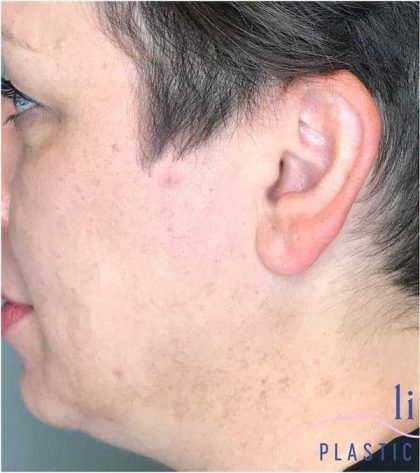
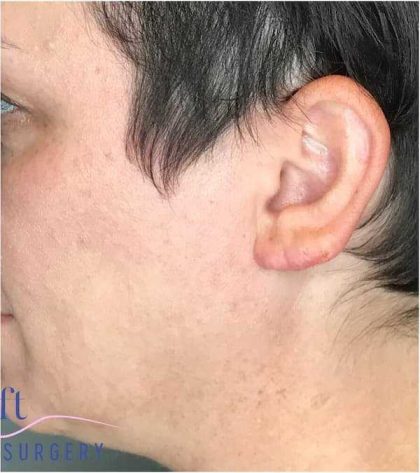
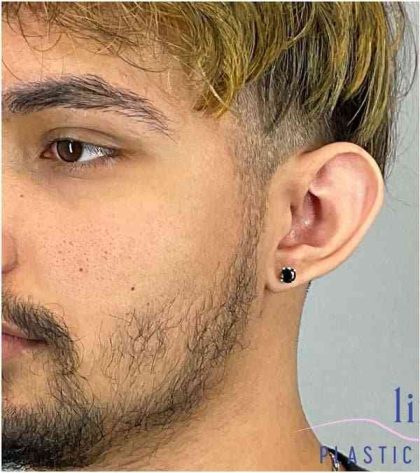
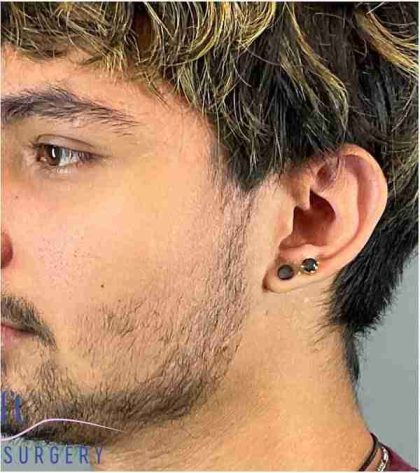
About Otoplasty
At Lift Plastic Surgery, Houston plastic surgeon Dr. Shitel Patel creates his otoplasty patients custom-designed treatment plans to address ear cartilage irregularities. These irregularities may result from a traumatic event or just be a genetic anomaly.
Issues that plastic surgeons address with ear surgery include:
- Disproportionately large ears.
- Asymmetrical ears.
- Irregularly shaped ears.
- Minor outer ear deformities.
- Ears that protrude too far from the head.
- Missing ear folds.
- An upper ear that is cupped or folded.
- Issues resulting from a traumatic event.
- A defect that is present at birth.
- Issues stemming from a previous surgery that the patient wants to be addressed.
An adult who has these ear characteristics or who has a child with any of these issues may want to consider meeting with a plastic surgeon.
Benefits
To address ears that protrude more than 2 cm from the head, plastic surgeons perform an ear pinning procedure. At Lift Plastic Surgery, Dr. Patel performs ear pinning surgery to decrease the distance between the patient’s head and the back of his or her ears. Once the back of the patient’s ears are closer to the head, they will appear smaller and more symmetrical. In addition, during this surgery the plastic surgeon can reshape the ears.
Each change the plastic surgeon makes during an otoplasty helps create harmony between the patient’s face and his or her ears. After an ear pinning procedure, many of Lift Plastic Surgery’s patients state that their feelings of self-consciousness and insecurity have declined, dramatically improving their overall self-esteem.
Candidates
Typically, the distance between the back of the ear to the side of the head is around 2 cm. Individuals who have ears that extend further than the usual 2 cm may feel as if their ears are too prominent, which can negatively affect their self-confidence level. In order to prevent the onset of low self-esteem, many parents choose to address their child’s outer ear irregularity early on. Once a child reaches the age of five, he or she may be a good candidate for ear pinning surgery in Houston.
Having a plastic surgeon perform ear pinning surgery for a child earlier in his or her life is a good option because at the age of five the child’s cartilage is relatively soft. Furthermore, early intervention prevents the development of insecurities linked to the way his or her ears look. Nevertheless, ear surgery is a procedure that plastic surgeons perform for individuals of all ages.
Anyone who has prominent ears or ears with characteristics that appear irregular may be a good candidate for an otoplasty at Lift Plastic Surgery in Houston. Individuals who would like to learn more about the ear pinning options available should call to schedule an appointment with Dr. Shitel D. Patel.
Dr. Patel performs otoplasty procedures for children, teens and adults. During an individual’s initial consultation, some criteria Dr. Patel uses to determine if a patient is a good candidate for ear surgery are listed below.
Children
To be eligible for an otoplasty, a child must be:
- In good general health.
- Cooperative.
- At least five years of age with adequately developed cartilage in the ear. Dr. Patel determines if the child’s cartilage is at an acceptable level of development during his or her first consultation.
- If only a local anesthetic is used, the child must be able to communicate and express how he or she is feeling during the otoplasty procedure.
Teens and adults
To be eligible for ear surgery, the teen or adult must:
- Not use any products that contain nicotine (e.g., traditional cigarettes, e-cigarettes, chewing tobacco, cigars, pipe tobacco, smoking cessation products).
- Be in good general health.
- Not have a life-threatening illness or chronic condition.
- Have a good outlook concerning their potential ear pinning surgery results.
- Be decisive.
- Have the ability to express their aesthetic concerns as well as explain to Dr. Patel what results they desire.
When an experienced plastic surgeon performs an otoplasty, the surgery is completely safe and is usually considered a relatively easy procedure.
Preparing
Anesthesia options
An otoplasty is an outpatient procedure, which means that patients return home after their surgical procedure. Although some patients may choose to have ear pinning surgery using only a local anesthetic to numb the surgical area, most patients do prefer to sleep during their Houston otoplasty.
There are two types of anesthesia available, sedation with a local anesthetic and general anesthesia. If a patient receives sedation with a local anesthetic (aka twilight anesthesia), the sedation causes the individual to feel very drowsy and the local anesthetic numbs the area the surgeon is addressing. The other option is general anesthesia, which puts the patient into a deeper sleep.
Although patients receiving twilight anesthesia are not fully asleep during their ear pinning surgery, they will not remember their procedure. Most patients prefer twilight anesthesia over general anesthesia. Their preference for twilight stems from the way they feel upon waking after surgery. With twilight anesthesia, patients feel less groggy and usually do not experience the nausea that frequently results from the use of general anesthesia.
Driver
The patients who receive twilight or general anesthesia during their ear pinning surgery are not permitted to drive for at least 24 hours after receiving these sedation medications. Therefore, patients need to bring a licensed driver with them on the day of their otoplasty in Houston.
For the safety of their patients, Dr. Patel does not permit his patients to use a for-hire transportation service following procedures that require sedation. These for-hire services include taxis, public transportation as well as private transportation companies.
Procedure
Ear pinning surgery takes from one to two hours; however, patients who choose to have multiple procedures during the same surgical session will end up spending more time in the operating room than those who do not.
Multiple issues in one session
When it comes to sculpting (reshaping) the ear, a variety of procedure options are available. The option Dr. Patel chooses for reshaping is based on the issues the patient would like addressed.
Besides reshaping the ear, if the ear protrudes farther than 2 cm from the head, the surgeon can decrease the distance between the patient’s ear and head.
If the patient has oversized earlobes, these can be addressed during the same surgical session.
The day of surgery
On the day of surgery, the patient should arrive approximately 15 minutes before his or her scheduled procedure time. Patients arriving without a driver will have to reschedule their ear surgery for a later date.
The receptionist acknowledges the patient’s presence and registers the patient for surgery. Typically, the receptionist includes the name of the patient’s driver on his or her paperwork.
Once the patient’s registration is complete, a friendly member of the medical staff takes the patient to the pre-op area.
Pre-op
During pre-op, the patient’s surgeon will stop in. The surgeon may create several markings on the patient’s ears to use as a guide during surgery. If a patient has a last-minute question, he or she should ask it now.
Receiving anesthesia
The patient receives anesthesia. Although the surgeon chooses which anesthesia option, twilight or general, will serve the patient better, the patient is aware of and has agreed to the surgeon’s anesthesia choice prior to surgery.
Creating the incision
The surgeon creates an incision behind the patient’s ear, which means it remains well hidden. Nonetheless, the patient should expect to have a very thin scar behind his or her ear; however, readily visible scars are not likely. Furthermore, with time, this thin scar behind the ear fades.
Lifting the skin
After creating the incision, the surgeon lifts the skin, exposing the cartilage beneath.
The issues the plastic surgeon is addressing determine the next few steps:
- Addressing ears that protrude during ear pinning surgery — If the patient’s ears protrude further than the customary 2 cm from the head, the surgeon removes the excess cartilage that is causing the ears to protrude. The surgeon may also use sutures to set the ear back against the patient’s skull.
- Reshaping the Patient’s Ear — When necessary, the surgeon reshapes the ear using sutures. To strengthen this area, the plastic surgeon may borrow cartilage from other parts of the patient’s ear.
- Sutures – Absorbable or Permanent — Depending on the issues the plastic surgeon is addressing during the patient’s otoplasty, the patient receives absorbable sutures that are covered with a skin adhesive or internal sutures that will remain in place permanently. When the surgeon uses internal sutures, these sutures are not visible on the outside of the patient’s ear.
Applying the head wrap dressing
Following surgery, the plastic surgeon or nurse applies the patient’s head dressing. This dressing wraps around the head, covering the patient’s ears.
Recovery
A patient’s full recovery process depends on the extent and type of ear surgery he or she has. Nevertheless, a general recovery outline can be found below.
The recovery area
After spending some time in recovery, the patient receives information relating to recovery, restrictions and medications. In addition, the patient learns which issues indicate that he or she should contact Lift Plastic Surgery (e.g., a fever).
To ensure that patients have all the information they need for a successful, uneventful recovery, the important information discussed in the recovery area is reiterated within the patients’ discharge paperwork. Before they leave the recovery area, Dr. Patel encourages his patients to ask questions they have.
After answering all the patient’s questions, the surgeon releases the patient to his or her driver.
The head wrap dressing
The head wrap bandages the patient receives during recovery remain in place for several days. However, at the patient’s post-op appointment, the surgeon may remove the head wrap to ensure the ears are healing as expected. The surgeon or nurse reapplies the head wrap before the patient leaves the office.
Showering
Once two days have passed, the patient can carefully remove the dressing to take a shower. However, the surgeon may request that the patient refrain from washing his or her hair for up to 14 days. Furthermore, swimming should be avoided for at least four weeks, possibly six.
Wearing a headband
After they remove the dressings, patients need to cover their ears with a soft headband. This headband must be worn continuously for at least two weeks. In addition, the patient must protect his or her ears from trauma during this initial two-week timeframe. Once the initial two weeks pass, patients only need to wear their headband while sleeping. Wearing the headband during sleep keeps the ears from being pulled forward.
Activity restrictions
For at least three weeks after their ear surgery, patients must refrain from performing vigorous exercises and participating in activities that will increase their heart rate and blood pressure. Furthermore, patients must not participate in contact sports for at least 12 weeks. Patients need to speak with their surgeon before they re-engage in any of the activities listed above. Disregarding these instructions could result in unnecessary bleeding, inflammation and ear trauma, all of which negatively affect the healing process.
Post-surgical symptoms
Post-surgical symptoms patients can expect during the healing process include:
- Tingling and numbness, which may continue for a few weeks.
- Soreness for several days.
- Slight bruising may remain for about two weeks.
- After a week or two, patients can usually return to work (or school).
Results
Patients must have realistic expectations about the benefits that ear pinning surgery can offer when addressing their specific issue. For example, an otoplasty makes the ears appear less prominent; however, there are times when perfect symmetry is unachievable.
Permanence
For the majority of patients, the results of ear pinning surgery are permanent, especially when the surgeon removes cartilage to address protruding ears.
Although the results of ear reshaping are considered permanent, it is possible for the ear to return to its previous shape. While this occurrence is rare, it is more likely to happen when the surgeon begins with a severely deformed baseline.
Complications
Complications are always possible, but one of the best ways to reduce the likelihood of experiencing a preventable complication is by choosing an experienced plastic surgeon to perform the ear pinning procedure. Potential complications include:
- A hematoma. The primary symptom of a hematoma is pain. A hematoma is a blood clot beneath the skin. The formation of the blood clot at the surgical location on the ear causes a bruise. If a hematoma is going to develop, it usually forms within three days of the patient’s ear surgery.
- Infection. After any surgical procedure, there is a risk of developing an infection. Should an infection develop, patients need to contact Lift Plastic Surgery to receive a prescription for antibiotics. Taking care of the infection early on prevents the onset of additional complications.
- Dissatisfaction with the results. Every so often a patient’s results are not as he or she expects them to be. For example, following an otoplasty, the patient may feel as if his or her ears appear uneven, are too close, or too far away from the head. The issues the patient would like the plastic surgeon to address determines whether another surgical procedure is required to provide the patient with the results he or she desires.
- The ears reverting to their original position or shape, resulting in the need for revision surgery. Should the ears begin to revert to their original shape or position, a revision surgery may be necessary.
- Numbness. Several weeks after surgery the patient may experience a numb sensation in and around the surgical area.
Seeking treatment
If a patient neglects to seek treatment for a hematoma, an infection or a feeling of tightness (due to the sutures), the cartilage in the ear may sustain damage. Therefore, it is vital that patients keep their follow-up appointments with their surgeon at Lift Plastic Surgery and seek medical care if any signs indicating a potential complication are present.
Cost
Every patient is unique, which is why the only way to determine the cost of a procedure is through an initial consultation.
If you believe that an otoplasty can provide you or your child with the desired ear characteristics, contact Lift Plastic Surgery today to schedule an initial consultation. During the initial consultation with Dr. Shitel D. Patel, you will find out if you or your child is a good candidate for ear pinning surgery.
Contact