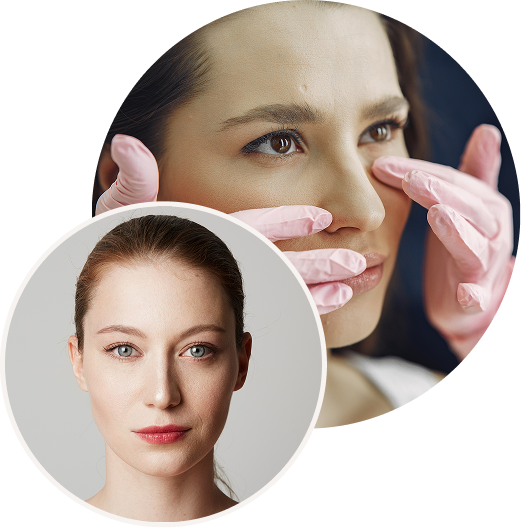
After relying on fillers for years, you may have recently started to feel uneasy about your reflection. Don’t worry, you’re not just imagining it.
Many filler regulars reach a point where their face looks heavier or puffier than it once did. Instead of feeling refreshed, you may feel like your features are starting to blur together. This experience is known as filler fatigue, and it’s surprisingly common.
Fillers once gave you exactly what you wanted. They helped boost your confidence in subtle ways, restoring volume and softening lines. Now, you might want a different facial procedure to restore confidence. That doesn’t mean you made a mistake. It means your face, your goals, and your relationship with aging have evolved.

What is Filler Fatigue?
Filler fatigue isn’t a medical diagnosis. It’s a descriptive term people use when repeated filler treatments stop producing the look they want.
Over time, filler can accumulate or shift in ways that create fullness without lift. You might notice roundness in areas that once looked sculpted. Your face might appear less expressive and more weighted.
Filler fatigue often happens gradually, which makes it harder to pinpoint when things changed. You may only realize it after comparing older photos or hearing a comment about your features that doesn’t quite sit right.
Why Repeated Fillers Can Change Facial Balance
Your face relies on structure as much as it relies on volume. In younger skin, adding small amounts of filler can enhance contours because the underlying support system is still strong. But as you age, your bone density and skin elasticity change, and your fat pads shift. These natural changes alter how filler behaves. Instead of lifting tissue, filler may begin to sit lower or spread more widely.
At that stage, you might be tempted to add more product in an attempt to restore balance. That worked before, didn’t it? Unfortunately, this rarely has the intended effect. Instead, more filler often amplifies the very heaviness you’re trying to fix.
Even though each treatment may have satisfied you at the time, you may eventually feel that something is “off.” The issue doesn’t stem from overuse in a single moment. It’s the long-term interaction between filler and facial anatomy.
Emotional Signals That It’s Time to Reassess
Filler fatigue often comes with emotional cues beyond just the physical changes, though they can be easy to overlook.
You might avoid certain angles in photos or hesitate to schedule your next filler appointment. You may find that your face no longer reflects how you feel internally, even if others say you look “fine.” That dissonance between your appearance and your self-perception can be disheartening.
These feelings matter because cosmetic choices are deeply personal. When an approach no longer aligns with your sense of self, pay attention to that discomfort. It’s moving forward, not rejecting your previous choices. Self-assess and refine your aesthetic care to better support who you are now and who you want to be.
Moving Away From Volume-Driven Solutions
When filler fatigue sets in, many people assume their only option is to keep adjusting placement or switching products. But as we’ve already discussed, adding another layer often only makes the problem worse.
In reality, stepping back can be more effective. Consider reducing or dissolving filler. Removing filler allows your natural anatomy to re-emerge, which can be surprisingly clarifying. This pause gives you the chance to evaluate what your face actually needs for your comfort.
In many cases, the issue isn’t a lack of volume, but a lack of support. Skin laxity and structural descent can create shadows and folds that filler alone can’t correct. Once you recognize this shift, you can more easily move from chasing fullness to restoring balance.
Structural Approaches to Rejuvenation
As you age, facial structural changes become increasingly significant to your appearance. Procedures that address skin and underlying support can create lift and definition without adding bulk. As a result, one common and effective filler fatigue solution is a facelift.
The goal of structural, surgical rejuvenation is to reposition and refine what’s already there, not to change your face. A skilled surgeon can restore your features to a lighter, more defined, more natural, and more expressive appearance.
Non-Volume Options That Support Natural Aging
Not everyone experiencing filler fatigue decides that surgery is right for them. If this is you, you’re not out of options.
Skin-tightening technologies and collagen-stimulating treatments, like facetites, can improve texture and firmness without adding volume. These approaches focus on improving skin quality, so your face looks refreshed rather than filled.
These non-volume treatments always respect your natural contours. They also support long-term skin health, which becomes increasingly important as filler takes a back seat. If your goal is subtle refinement and better definition, look for a facetite near you.
How to Think About the Transition Process
Transitioning away from fillers is rarely an all-or-nothing decision. The process unfolds over time, often involving small adjustments and thoughtful planning. If you don’t know where to start, begin by spacing out appointments. You can reduce the injected volume or have some dissolved. Then, try exploring alternatives that don’t rely on adding product.
What matters most is to keep the transition intentional rather than reactive. Make a change because you want to, not because someone else thinks you should. Have patience with yourself and your face, and give yourself room to adapt both emotionally and physically.
Think of Aging as Alignment, Not Loss
One of the most powerful shifts you can make is reframing what aging means to you. Experiencing filler fatigue often signals a change in your desires. You begin to seek alignment rather than correction. That doesn’t mean you want to erase time. It just means that you want to look like your balanced and rested self again.
More isn’t always better. When you move beyond that idea, you can begin to embrace approaches that honor your natural structure. This small change in perspective can reduce a surprising amount of pressure. You can start to make decisions based on how you want to feel, not just how you want to look.
Choose a Path That Feels Like You
Filler fatigue doesn’t mean you’ve reached an endpoint. It means you’re ready for a new chapter. Whether that involves stepping back or exploring new strategies, remember that the choice is ultimately about your comfort and confidence.
If fillers no longer feel right, don’t ignore that feeling and don’t feel ashamed about it. Let your approach to cosmetic care evolve along with you. You deserve sustainable solutions that gracefully age with you. They should reflect the person you are now, not the version you were trying to preserve years ago.