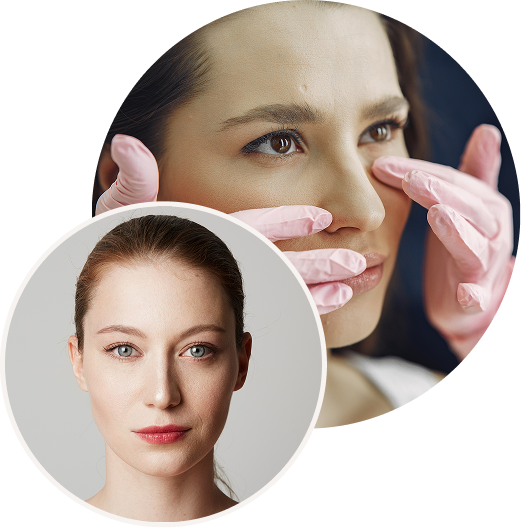
If you’re exploring facelift options today, you don’t want dramatic tightness or an over-pulled appearance. You want a natural-looking facelift. You want to look like you, just more lifted and refreshed. Modern facelift techniques are built around that exact goal.
Gone are the days of simply stretching the skin and hoping it holds. Instead, today’s facelifts rely on deeper structural adjustments. These adjustments restore facial harmony and soften age-related changes, while maintaining natural movement.
When you understand how modern facelifts work beneath the surface, you can better visualize the kind of results you might achieve. You’ll also gain clarity on why techniques have evolved, and why a facelift done today looks far more natural than what you may remember from older examples.

The Ways That Aging Actually Changes Your Face
Many people think aging is mostly about skin sagging. But in reality, a deeper story lies beneath the surface.
The underlying support system in your face slowly loosens as you age. You lose volume in your cheeks and your facial fat shifts downward. Bone density changes can also reshape the contours of your face, making features (especially around the jawline and neck) appear heavier or more tired.
When the foundation sags, simply tightening the top layer won’t give you the refreshed look you want. It can even exaggerate the tension, often creating the “windswept” appearance you’ve probably seen in outdated examples. This problem is why modern facelifts focus on restoring deeper support rather than just pulling skin.
Modern Facelifts Move Beyond Skin Tightening
Today’s facelifts avoid the overly tight look by shifting focus to the SMAS layer. This layer is composed of the strong, muscular connective tissue that lies beneath your skin. The SMAS is what supports your facial structure, so addressing it directly means you restore lift where it naturally belongs.
Instead of pulling from the outside, your surgeon repositions and supports the deeper tissues from within. This approach helps you maintain soft, natural contours while avoiding harsh angles or exaggerated tension. You still look like yourself, but with the heaviness reduced and youthful structure restored. This deeper adjustment also contributes to longer-lasting results because you’re improving the foundation, not relying on the skin to carry all the tension.
How Deep-Plane Techniques Compare
If you’ve been researching facelifts, you may have seen terms like “deep-plane facelift.” This approach differs slightly in technique from SMAS facelifts, but shares a core principle: treat the deeper layers, not just the skin.
A deep-plane facelift goes even further beneath the SMAS layer. It releases deeper attachments and lifts the midface, jawline, and deeper structures together. This technique often creates especially natural-looking movement because the skin and underlying tissues move as a unit rather than being pulled separately.
A SMAS facelift, on the other hand, adjusts the structural layer without entering the deeper plane. Both are effective when used appropriately, and the proper choice depends on your individual facial anatomy and how you’ve aged. Most importantly, your personal goals for the facelift can help determine which option is best for you.
What matters most is that modern facelifts provide your face with internal support while preserving the character and individuality of your natural expressions.
The Difference Fillers and Fat Volume Restoration Make
While lifting is essential, volume also plays a major role in achieving a balanced, youthful look. As you age, areas like your cheeks, temples, and under-eye region naturally begin to appear hollow. Even with excellent lifting techniques, your face may still look tired if you leave those sunken areas untouched.
That’s why many facelift plans include precise, natural-looking dermal fillers or fat transfer. Instead of relying solely on lifting, these techniques carefully restore volume where you’ve lost it. Think of it like smoothing a wrinkled and flattened pillow. Lifting fluffs the structure while volume restores fullness. When done together, your face looks naturally and harmoniously refreshed.
How Modern Facelifts Avoid the “Done” Look
A common concern is whether a facelift will make you look like a completely different person. It’s a valid worry. But rest assured that with modern techniques, the goal is never to alter your identity. The goal is to restore what age has changed about your face.
The ideal natural effect happens when your surgeon aligns the direction of the lift with your face’s natural vectors. Instead of pulling upward or sideways in unnatural directions, the surgeon repositions tissues in the same direction that your face experienced age-related descent. They work with your anatomy rather than against it, resulting in an outcome that blends seamlessly with your natural contours.
With this modern technique, you still look like yourself. You’ll find that the surgery has softened that aging heaviness, refining and rejuvenating your former, natural features.
Recovery Supports the Final Result
Understanding modern surgical techniques is one thing, but you also need to know how recovery affects the outcome.
If your face looks too tight at first, don’t panic. Early healing involves swelling, which can make the face look more lifted and tight than the final result.
As tissues settle and swelling gradually subsides, the deeper adjustments reveal themselves more clearly. The internal healing and settling process continues for several months, but most people begin to look refreshed within a couple of weeks.
Keep a good recovery plan that protects the deeper layers as they heal. Focus on hydration, proper sleep positioning, lymphatic care, and avoid unnecessary strain. Each subtle improvement will build toward your ideal, natural-looking outcome.
Natural Improvements You Might See
Every face ages differently, so not everyone sees the same differences after a facelift. However, you may notice improvements such as:
- A more defined jawline and reduced jowling
- Lifted cheeks that soften nasolabial folds
- A smoother neck contour
- More balanced facial proportions
- A refreshed expression without tightness
Knowing When a Modern Facelift Is Right for You
If you’re considering a facial procedure to restore confidence, you need to understand the available modern approaches. Being familiar with these techniques can help you make decisions that align with your goals.
You may be a good candidate for a modern facelift if you notice deep sagging along the jawline, midface flattening, or loose neck skin that doesn’t improve with non-surgical treatments.
You may also want a facelift if you’re seeking results that last significantly longer than those achieved with injectables or energy-based treatments. Modern surgeons design their techniques to restore deeper support, giving you a more stable and enduring outcome.
Prioritizing Natural, Personalized Outcomes
The evolution of facelift techniques means you don’t have to worry about looking stretched or dramatically altered. You can expect a result that feels expressive and true to your features.
So, going into your facelift, don’t be afraid of leaving the operating table as a different person. Modern facelifts, when performed with thoughtful planning and proper recovery, provide a refreshed appearance without changing who you are. You can become a rejuvenated, more confident version of you.